Memotic Historical: The Vintage Script Font for Makers
As a small shop owner who spends hours perfecting every label, sticker, and invitation, I know that the right typeface can make or break a product. It is not just about letters; it is about the feeling those letters evoke in a customer's mind. Recently, I have been exploring Memotic Historical, a smooth, elegant monoline script font from Script Amp that has quickly become a staple in my design toolkit. If you are a crafter, an Etsy seller, or a printable creator looking to add a touch of timeless charm to your work, this font offers a unique blend of vintage appeal and modern usability.
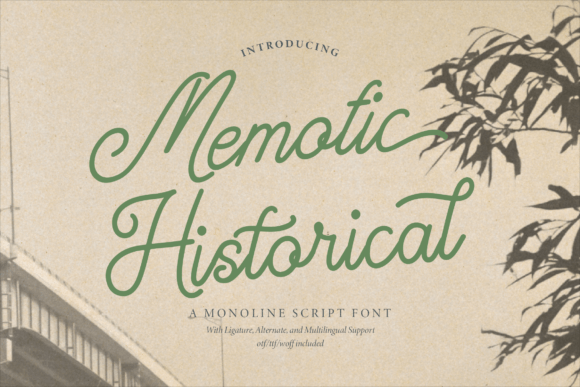
The visual personality of Memotic Historical is distinct. Unlike many script fonts that mimic thick-and-thin calligraphy with heavy contrast, this is a true monoline script. Every stroke maintains a consistent, thin weight, giving it a clean, continuous flow. This characteristic provides a classic, vintage feel without the clutter or heaviness that sometimes plagues decorative scripts. It feels like handwriting from a bygone era—deliberate, graceful, and incredibly stylish. For handmade business owners, this aesthetic is gold. It suggests quality and attention to detail, two traits that customers actively seek out when purchasing physical goods or digital downloads.
Elevating Product Labels and Packaging
One of the most practical applications for Memotic Historical is in packaging design. Whether you are making soy candles, small-batch soaps, or artisanal jams, your label is your primary sales tool. Because this font features single-line strokes, it remains legible even when scaled down for small product tags or jar lids. I recently used it for a line of lavender candle labels, pairing the script with a clean sans serif font for the ingredient list. The result was a sophisticated look that felt boutique rather than mass-produced.
The elegance of this script font helps elevate the perceived value of your items. A simple kraft paper tag transforms into a premium brand asset when stamped or printed with such a refined typeface. It works exceptionally well for logos too. Since it is a monoline design, it translates beautifully into SVG files for Cricut and Silhouette users. You can cut this font out of vinyl for tote bags, shirts, or mugs without worrying about intricate inner details breaking away or weeding becoming a nightmare. The continuous lines ensure durability and a professional finish on physical merchandise.
Wedding Stationery and Invitations
In the world of wedding stationery, couples are constantly searching for something that feels both romantic and unique. Memotic Historical fits this need perfectly. Its vintage vibe makes it an ideal choice for wedding invitations, save-the-dates, and welcome boards. I have found it particularly effective for the names of the couple on the main invite, where its flowing nature draws the eye immediately.
Beyond the main invitation, consider using this font for table numbers, menu cards, and place settings. The consistency of the stroke width ensures that even when printed on textured cardstock, the letters remain crisp and readable. For digital planners or printable wedding suites sold as downloads, this font adds a layer of sophistication that justifies a higher price point. It creates an emotional connection, reminding customers of handwritten love letters and formal announcements of the past.
Readability and Practical Design Tips
While beauty is essential, functionality is paramount for commercial sellers. One common concern with script fonts is readability, especially on small stickers or social media graphics. Memotic Historical handles this well due to its open counters and generous spacing between characters. However, as a creator, you must still be mindful of usage. This is primarily a display font. It shines in short phrases, names, titles, and decorative wording. It is not designed for long paragraphs of body text.
For best results, use Memotic Historical for headlines and pair it with a simple serif font or a geometric sans serif for descriptive text. This contrast creates a balanced hierarchy that guides the customer's eye. When preparing files for cutting machines, always test a small sample first. While the monoline style is generally cutter-friendly, ensuring your software interprets the connections correctly will save you time and material. For printed cards, a high-resolution PDF is recommended to maintain the smoothness of those thin strokes.
Building a Consistent Brand Identity
Consistency is key to building a recognizable brand. Using a distinctive font like Memotic Historical across all your touchpoints—from your website header to your thank-you notes—creates a cohesive brand identity. Customers begin to associate that specific elegant script with your shop's quality. Whether you are designing seasonal craft designs for holidays or creating evergreen wall art, sticking to a core set of design assets helps establish trust.
This font is versatile enough to adapt to various niches. For farmhouse-style signs, it offers a rustic yet polished look. For boutique clothing tags, it provides a chic, minimalist edge. The "historical" aspect of its name is not just a label; it captures a mood that resonates with buyers looking for authenticity in a digital world.
Licensing and Commercial Use
Before integrating any new typography into your product line, it is crucial to understand the licensing terms. Memotic Historical is a commercial font, but specific rights can vary. If you plan to sell physical products like mugs, shirts, or packaged goods featuring this font, ensure your license covers merchandise sales. Similarly, if you are creating digital downloads such as printable planners, SVG bundles, or templates for other creators to use, you must verify that the license permits this type of distribution. Many font foundries offer different tiers of licensing for personal versus commercial use, so always read the fine print to protect your business.
In conclusion, for makers who value both aesthetics and practicality, Memotic Historical is a standout choice. Its ability to convey a vintage, elegant narrative while remaining functional for cutting and printing makes it a valuable addition to any creative arsenal. By thoughtfully pairing it with complementary typefaces and adhering to readability best practices, you can create products that not only look beautiful but also sell effectively.